Buddhist Pilgrimage
Mahabodhi Temple at Bodh Gaya
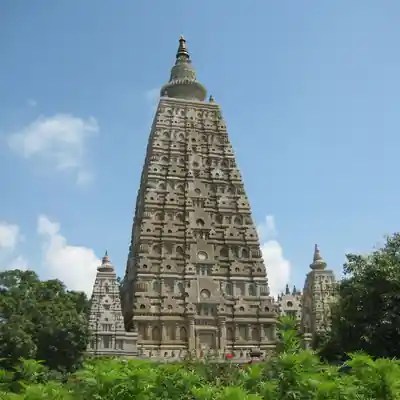
The Mahabodhi Temple marks the location where Siddhartha Gautama, the Buddha, is believed to have attained enlightenment. As one of the most sacred sites in Buddhism, Bodh Gaya attracted pilgrims from across South, East, and Southeast Asia. These journeys were not only acts of devotion but also opportunities for monks and travelers to share teachings and texts. Pilgrimage to sites like Bodh Gaya played a key role in spreading Buddhist beliefs and connecting distant regions through shared religious practice.
Ashoka Pillar
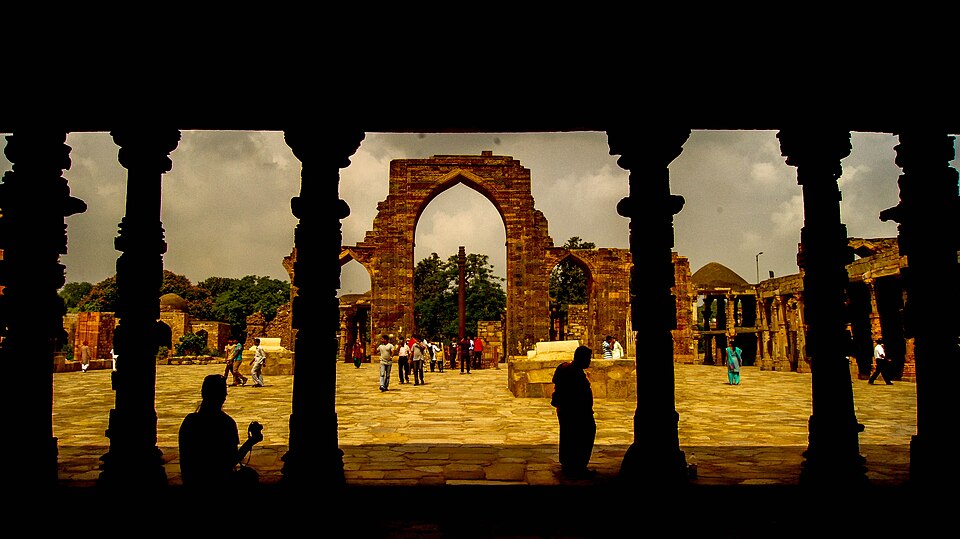
The pillars of Emperor Ashoka, erected in the 3rd century BCE, were inscribed with messages promoting Buddhist teachings and moral conduct. By supporting Buddhism and marking important locations, Ashoka helped establish a network of sacred sites that later became key pilgrimage destinations. This early infrastructure encouraged religious travel and contributed to the spread of Buddhism across Asia. The pillar demonstrates how political authority and religious devotion worked together to shape long-distance cultural connections.
 Journeys of Faith